Lab-grown diamond jewelry、sterling silver jewelry、925 silver jewelry、natural zircon jewelry、natural crystal jewelry、fine jewelry gifts、everyday jewelry、jewelry care guide
Jewelry That Reflects the Way You Live
Jewelry is more than a finishing touch. It can mark an important moment, express a personal style, or simply make an ordinary day feel more considered.
However, not every piece of jewelry needs to serve the same purpose.
A lab-grown diamond may represent a milestone. Sterling silver may become part of your everyday wardrobe. Natural zircon delivers vivid brilliance and color, while natural crystal jewelry brings individuality through distinctive tones, textures, and natural variations.
Understanding the differences between these materials can help you choose jewelry that suits your lifestyle, personal taste, and budget.
This guide explores four popular jewelry categories:
Lab-grown diamond jewelry
925 sterling silver jewelry
Natural zircon jewelry
Natural crystal jewelry
Each offers a different kind of beauty—and a different reason to wear it.
1. Lab-Grown Diamonds: Real Diamond Brilliance, Created Differently
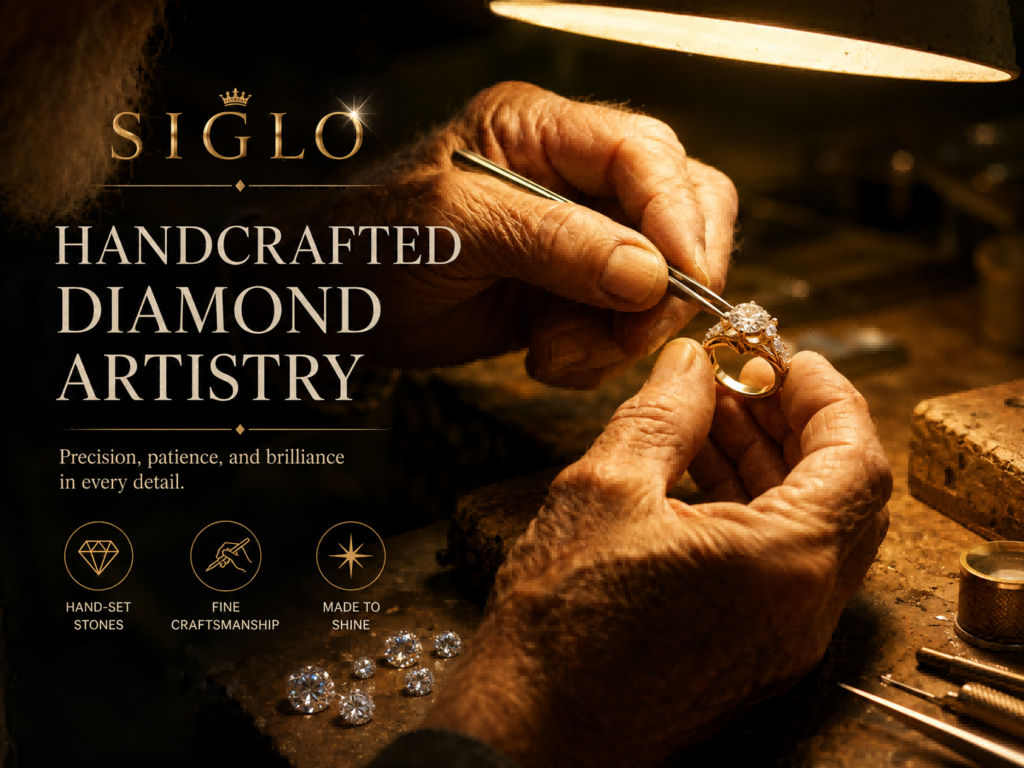
Lab-grown diamonds are diamonds grown in controlled laboratory environments using advanced technology.
The two main production methods are:
HPHT: High Pressure, High Temperature
CVD: Chemical Vapor Deposition
Lab-grown diamonds have essentially the same crystal structure and chemical, optical, and physical properties as mined diamonds. They are not the same as cubic zirconia or moissanite, which are different materials used as diamond alternatives.
The key difference is origin: mined diamonds form naturally beneath the earth over an extremely long period, while lab-grown diamonds are created using technological processes in a laboratory.
Why Choose Lab-Grown Diamond Jewelry?
Lab-grown diamonds appeal to customers who want genuine diamond beauty while placing greater importance on design, stone size, clarity, and overall value.
They are especially suitable for:
Engagement and anniversary jewelry
Meaningful birthday gifts
Diamond stud earrings
Solitaire necklaces
Tennis bracelets
Everyday diamond rings
Personal milestone jewelry
Because lab-grown diamonds offer authentic diamond brilliance, they work beautifully in both timeless and contemporary designs.
What to Look for When Buying
When comparing lab-grown diamond jewelry, consider:
Cut
Cut has a major influence on how effectively a diamond reflects light. A well-cut stone can appear brighter and more lively.
Color
Diamond color grades generally describe how colorless or tinted a stone appears.
Clarity
Clarity refers to natural-looking internal and external characteristics formed during growth and finishing.
Carat Weight
Carat measures the weight of the diamond, not its visible dimensions alone.
Setting Quality
The security and finish of the setting are just as important as the stone. Check the prongs, symmetry, polishing, and overall construction.
Documentation
When a grading report is included, the product page should clearly identify the issuing laboratory and report information.
Best For
Lab-grown diamonds are ideal for shoppers who want:
Genuine diamond properties
Strong brilliance
Meaningful jewelry for important occasions
A refined look suitable for long-term wear
More flexibility when choosing size and design
2. 925 Sterling Silver: Effortless Jewelry for Everyday Life
Sterling silver is one of the most versatile materials used in modern jewelry.
The term 925 sterling silver generally means that the metal contains 92.5% silver and 7.5% other metals, commonly copper. Pure silver is relatively soft, so alloying it helps improve the strength and practicality of the finished jewelry.
Sterling silver is valued for its bright appearance, clean tone, and ability to complement a wide range of styles.
Why Sterling Silver Remains So Popular
Sterling silver feels polished without appearing overly formal. It can be worn alone for a minimalist look or layered with other pieces to create more dimension.
Popular sterling silver designs include:
Minimalist rings
Pendant necklaces
Chain necklaces
Stud earrings
Hoop earrings
Delicate bracelets
Stackable jewelry
Geometric designs
Its cool-toned finish works especially well with modern, minimalist, vintage-inspired, and quiet-luxury styling.
Does Sterling Silver Tarnish?
Sterling silver may gradually tarnish or lose some of its brightness when exposed to air, moisture, perspiration, cosmetics, and certain chemicals.
Tarnishing is a normal characteristic of silver and does not automatically indicate poor quality.
Regular cleaning and careful storage can help preserve its appearance. Some sterling silver jewelry may also feature rhodium, platinum-tone, or gold-tone plating. Any plating should be clearly stated in the product specifications.
Best For
Sterling silver jewelry is an excellent choice for:
Everyday wear
Work and casual outfits
First jewelry purchases
Layering and stacking
Birthday and holiday gifts
Customers who enjoy frequently changing their accessories
Its versatility makes it easy to build a jewelry collection gradually, starting with simple essentials and adding more expressive designs over time.
3. Natural Zircon: A Gemstone Known for Fire and Color
Natural zircon is a naturally occurring gemstone admired for its high refractive qualities, brilliance, and colorful flashes of light.
Despite the similarity in their names, natural zircon is not the same as cubic zirconia.
Natural zircon is a naturally occurring mineral gemstone.
Cubic zirconia, or CZ, is a laboratory-made material commonly used as a diamond simulant.
Clear terminology is important when describing these materials on a product page.
What Makes Natural Zircon Special?
Natural zircon can display impressive brilliance and fire, particularly when it is carefully cut. It occurs in a variety of colors, including:
Colorless
Blue
Golden yellow
Brown
Green
Orange
Red
Colorless zircon has historically been appreciated for its bright, diamond-like visual effect, while blue and warm-toned zircon varieties offer a more distinctive colored-gemstone appearance.
Popular Natural Zircon Designs
Natural zircon works beautifully in:
Statement rings
Pendant necklaces
Drop earrings
Halo settings
Vintage-inspired jewelry
Occasion jewelry
Color-focused gemstone collections
Its lively appearance makes it especially attractive in photographs and under evening lighting.
Wearing and Caring for Natural Zircon
Natural zircon requires more thoughtful care than diamond. It should be protected from hard impacts, rough surfaces, and activities that could damage exposed edges.
For cleaning:
Use warm water with a small amount of mild soap.
Clean gently with a soft brush or cloth.
Rinse carefully.
Dry with a soft, lint-free cloth.
Avoid steam and ultrasonic cleaning unless a qualified jeweler confirms that the specific piece is suitable.
Best For
Natural zircon is ideal for customers who want:
A naturally occurring gemstone
Noticeable brilliance and fire
More color choices
Jewelry that photographs beautifully
A refined alternative to conventional white-stone designs
4. Natural Crystal Jewelry: Color, Character, and Individual Expression
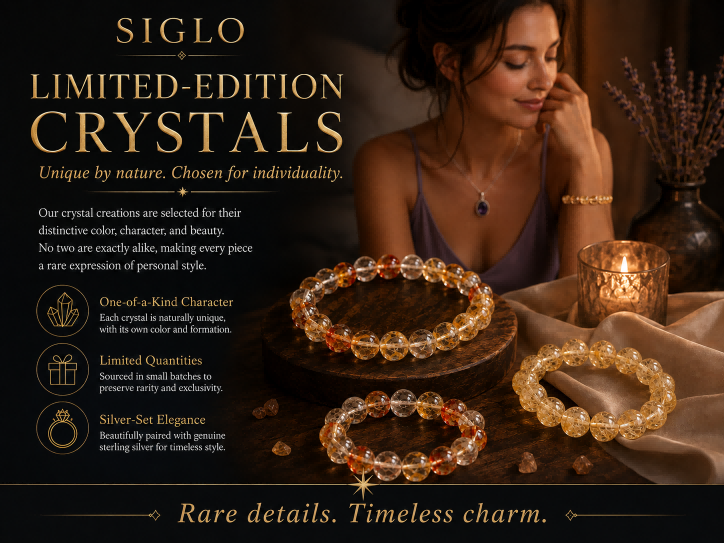
Natural crystal jewelry is loved for its color, texture, inclusions, and natural variation.
Common crystal varieties used in jewelry include:
Amethyst
Rose quartz
Clear quartz
Aquamarine
Moonstone
Agate
Citrine
Tourmaline
Labradorite
Every natural stone may display slight differences in color, transparency, pattern, or internal features. These variations are part of the material’s natural character rather than flaws that must always be removed.
Why Choose Natural Crystal Jewelry?
Crystal jewelry brings softness, color, and individuality to everyday styling.
Unlike traditional white-stone jewelry, natural crystals can create a specific mood through color:
Rose tones feel delicate and romantic.
Clear stones appear light and minimal.
Purple stones create depth and richness.
Blue and green stones feel fresh and calming.
Multicolored stones add a relaxed, artistic character.
Crystal jewelry is particularly suited to casual luxury, soft bohemian styling, seasonal outfits, and layered looks.
A Note on Crystal “Healing” Claims
Crystals have long been associated with cultural traditions, personal symbolism, and spiritual beliefs.
However, jewelry product descriptions should not present crystals as treatments for medical, psychological, or physical conditions. A more responsible approach is to describe their color, natural origin, cultural associations, visual character, and personal meaning.
For example:
Rose quartz is often associated with love and tenderness in cultural and spiritual traditions.
This is more appropriate than claiming that a crystal can cure anxiety, improve sleep, or treat health conditions.
Natural Variations
Customers should understand that natural crystal jewelry may vary slightly from product photographs.
Possible variations include:
Color intensity
Transparency
Internal inclusions
Natural lines or textures
Bead patterns
Stone dimensions
These differences make each piece individual.
Best For
Natural crystal jewelry is suited to:
Customers who enjoy color
Layered bracelet styling
Soft bohemian and relaxed luxury looks
Personal and symbolic gifts
Seasonal accessories
Collectors who appreciate natural variations
Which Jewelry Material Is Right for You?
Choosing the right material depends on how and where you plan to wear it.
Choose Lab-Grown Diamonds When You Want:
Genuine diamond properties
Maximum brilliance
Jewelry for an engagement, anniversary, or milestone
A timeless piece with a refined appearance
Greater flexibility in stone size and design
Choose 925 Sterling Silver When You Want:
Versatile everyday jewelry
A clean and modern metal tone
Easy layering and stacking
A practical gift
A collection you can build over time
Choose Natural Zircon When You Want:
A naturally occurring gemstone
Strong fire and colorful flashes
An elegant alternative to conventional white stones
Occasion jewelry with visual impact
A distinctive gemstone story
Choose Natural Crystals When You Want:
Natural color and variation
Relaxed, expressive styling
Jewelry with symbolic or personal meaning
Pieces suited to layering
A more individual, less uniform appearance
There is no single “best” material. The best choice is the one that fits your lifestyle and the meaning you want your jewelry to carry.
How to Care for Your Jewelry
Good jewelry care helps preserve brilliance, finish, and structural integrity.
Lab-Grown Diamond Jewelry
Clean using warm water, mild soap, and a soft brush. Pay particular attention to the area beneath the stone, where oils and residue may collect.
Although diamonds are highly resistant to scratching, they can still be damaged by hard impacts. Check prongs and settings regularly.
Sterling Silver Jewelry
Wipe silver with a soft jewelry cloth after wearing. Store pieces separately in a dry, sealed pouch or jewelry box.
Avoid prolonged contact with:
Perfume
Hairspray
Household chemicals
Chlorinated water
Perspiration
High humidity
Use only cleaning methods appropriate for any gemstones or plating included in the design.
Natural Zircon Jewelry
Wash gently with warm, soapy water and a soft brush. Avoid steam cleaners, ultrasonic cleaners, abrasive materials, and hard impacts.
Store zircon separately from harder gemstones.
Natural Crystal Jewelry
Warm water, mild soap, and a soft cloth are suitable for many crystal varieties, but care requirements can differ by stone and treatment.
Avoid exposing delicate or treated stones to:
Extreme heat
Sudden temperature changes
Strong chemicals
Prolonged direct sunlight
Steam cleaning
Ultrasonic cleaning
When uncertain, consult a qualified jeweler before cleaning.
Transparency Is Part of Good Jewelry Design
Beautiful photography may attract attention, but clear product information builds lasting trust.
A responsible jewelry product page should clearly identify:
The gemstone or crystal name
Whether the stone is natural, lab-grown, or simulated
The metal type
Plating or surface treatment
Stone dimensions or carat weight
Product weight
Chain length or ring size
Known gemstone treatments
Care instructions
Grading report information, when applicable
Terms such as lab-grown diamond, natural zircon, cubic zirconia, moissanite, and natural crystal should not be used interchangeably.
Precise naming protects the customer and strengthens the credibility of the brand.
Frequently Asked Questions
Are lab-grown diamonds real diamonds?
Yes. Lab-grown diamonds have essentially the same chemical composition, crystal structure, and optical and physical properties as mined diamonds. Their main difference is how and where they are formed.
Are lab-grown diamonds the same as cubic zirconia?
No. Cubic zirconia is a different laboratory-made material used to imitate the appearance of a diamond. A lab-grown diamond is crystallized carbon and has diamond properties.
What does 925 sterling silver mean?
It generally means that the alloy contains 92.5% silver and 7.5% other metals, commonly copper.
Is silver tarnishing a quality problem?
Not necessarily. Tarnishing is a natural reaction that can occur when silver is exposed to air, moisture, perspiration, and chemicals. Proper cleaning and storage can restore and preserve its appearance.
Is natural zircon the same as cubic zirconia?
No. Natural zircon is a naturally occurring gemstone. Cubic zirconia, commonly abbreviated as CZ, is a laboratory-made diamond simulant.
Are all natural crystals exactly the same?
No. Natural crystals can vary in color, transparency, pattern, inclusions, and texture. These variations contribute to the individual character of each piece.
Can crystal jewelry improve health or treat anxiety?
Crystal jewelry may have cultural, spiritual, or personal significance, but it should not be treated as a replacement for medical or psychological care.
Should jewelry be stored separately?
Yes. Different gemstones have different levels of hardness. Storing pieces separately reduces the risk of scratching, tangling, and impact damage.
Find the Jewelry That Feels Like You
Jewelry does not need to follow a single definition of luxury.
Luxury can be the brilliance of a lab-grown diamond chosen for an important anniversary. It can be a sterling silver necklace worn every morning. It can be the vivid fire of natural zircon under evening light, or the one-of-a-kind color variations found in a natural crystal bracelet.
Choose lab-grown diamonds for meaningful brilliance.
Choose sterling silver for effortless everyday style.
Choose natural zircon for vivid fire and gemstone character.
Choose natural crystals for color, individuality, and personal expression.
The right piece is not simply the one that shines the most. It is the one that becomes part of your life.
Recommended Call-to-Action Text
Shop Lab-Grown Diamonds
Explore Sterling Silver Jewelry
Discover Natural Zircon
Shop Natural Crystals
Find a Meaningful Gift
Explore the Collection