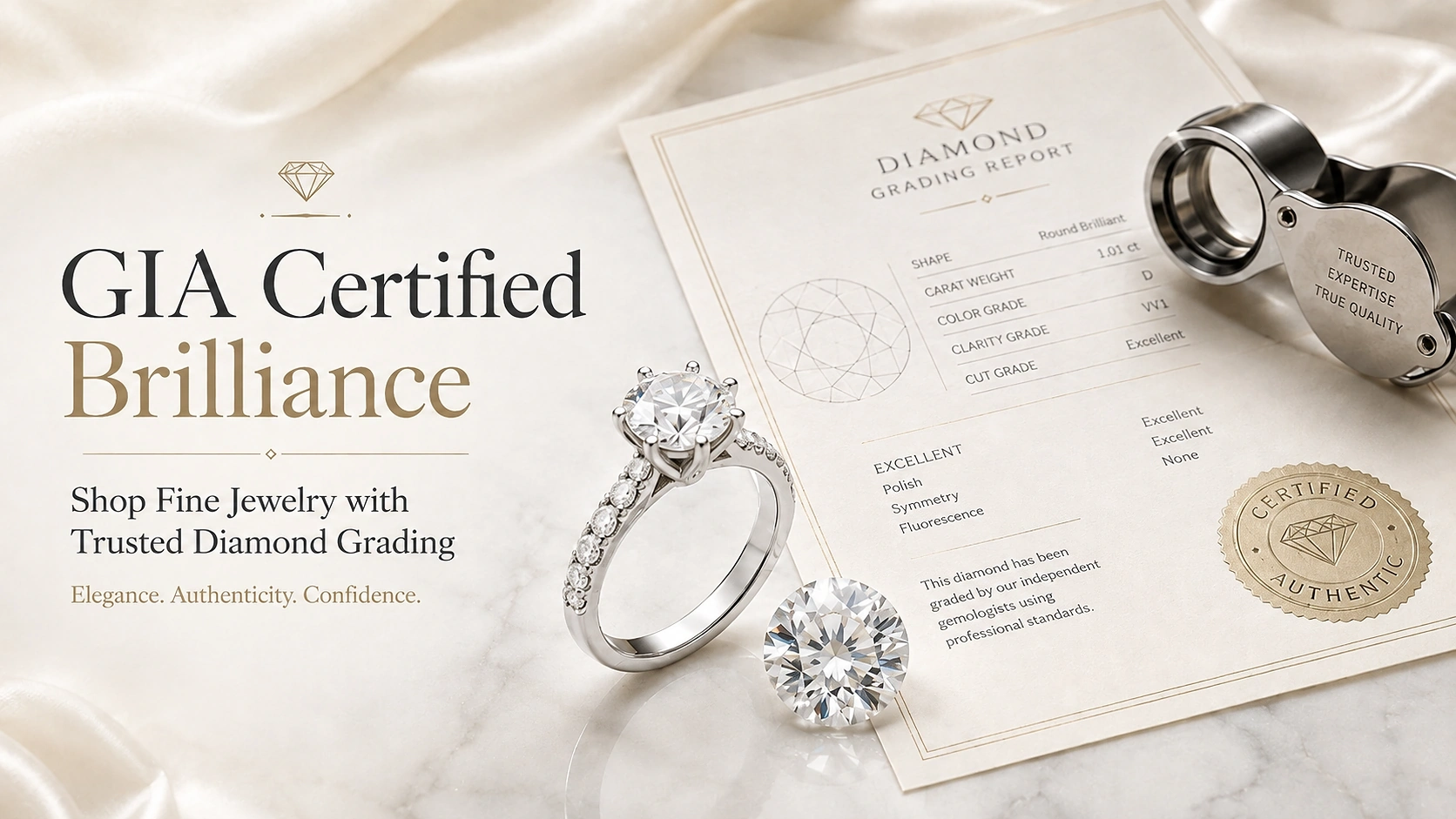
A GIA lab-grown diamond report can help buyers understand a diamond’s identity, quality and measurable characteristics before making a purchase. However, it is important to know what the report covers, how to verify it and why the phrase “GIA certified diamond” is not technically accurate.
GIA examines loose diamonds and issues independent reports or quality assessments. It does not certify, guarantee or appraise diamonds. Therefore, more accurate descriptions include “GIA-graded diamond,” “diamond with a GIA report” and “independently graded diamond.”
What Is a GIA Lab-Grown Diamond Report?
A GIA lab-grown diamond report provides technical information about a loose laboratory-grown diamond. Depending on the service, the report or assessment may include:
- Diamond identity
- Carat weight
- Shape and measurements
- Color and clarity information
- Polish and symmetry
- Cut-related characteristics
- Growth method
- Post-growth treatment information
- Report or quality assessment number
In addition, GIA laboratory-grown diamond services use a separate report format to distinguish laboratory-grown diamonds from natural diamonds.
A GIA report describes the characteristics of the submitted stone. It does not provide a retail price, replacement value or financial appraisal for the finished ring.
Does GIA Certify Lab-Grown Diamonds?
No. Although many jewelry advertisements use the phrase “GIA certified diamond,” GIA itself explains that it does not certify diamonds or gemstones. Instead, GIA grades, tests, examines and analyzes submitted stones before issuing a report or assessment.
For accurate product pages and advertising, use phrases such as:
- GIA-Graded Diamond
- Diamond with a GIA Report
- Independent Diamond Grading
- GIA Report Available
- GIA Report Number Provided
Avoid claims such as:
- GIA Certified Jewelry
- GIA Approved Diamond
- GIA Guaranteed Quality
- GIA Certified Brilliance
Only products that genuinely include a matching GIA report should use GIA-related wording.
How GIA Assesses Lab-Grown Diamonds
GIA updated its laboratory-grown diamond services in October 2025. For eligible colorless-to-near-colorless laboratory-grown diamonds, GIA now uses the overall descriptive categories Premium and Standard.
The assessment considers a combination of color, clarity and finish. For round brilliant diamonds, cut quality may also form part of the assessment. A submitted diamond that does not meet the minimum Standard criteria may not receive a quality classification.
Meanwhile, laboratory-grown colored diamonds use separate GIA services. These reports may include information about color, color distribution, growth type and post-growth treatments.
This distinction matters when purchasing:
- Pink lab-grown diamonds
- Yellow lab-grown diamonds
- Blue lab-grown diamonds
- Teal or blue-green lab-grown diamonds
- Other fancy-color lab-grown diamonds
How to Verify a GIA Lab-Grown Diamond Report
Before buying, do not rely only on a photograph of a grading document. Instead, verify the report information and compare it with the diamond being offered.
- Locate the GIA report or quality assessment number.
- Open the official GIA Report Check page.
- Enter the number shown on the report.
- Compare the carat weight, shape and measurements.
- Check that the details match the offered diamond.
- Confirm that the report will be included with your order.
GIA states that laboratory-grown diamonds submitted through its services receive a laser inscription on the girdle containing the term “Laboratory-Grown” and the related report or quality assessment number.
You can verify a report through the official GIA Report Check service.
Does the GIA Report Cover the Entire Ring?
No. GIA diamond reports apply to loose, unmounted diamonds. A jeweler normally sends the center diamond for examination before setting it into a finished ring.
Therefore, a report for the center stone does not grade:
- The S925 silver or gold setting
- The craftsmanship of the finished ring
- The side stones unless separately submitted
- The durability of the prongs
- The retail value of the complete jewelry piece
- The brand’s after-sales service
The final price of a ring may also reflect its setting, design, side stones, craftsmanship, packaging and long-term jewelry care.
Does Every Lab-Grown Diamond Need a GIA Report?
Not every laboratory-grown diamond must have a GIA report. However, independent grading can provide additional confidence when purchasing:
- Larger center diamonds
- Engagement rings
- Anniversary jewelry
- Important milestone gifts
- High-value loose diamonds
- Diamonds where exact quality information matters
For smaller fashion-jewelry stones, the cost of independent grading may not always be proportionate to the selling price. Even without a GIA report, a responsible seller should clearly disclose the gemstone type, carat weight, metal and any known treatments.
Why Clear Lab-Grown Diamond Disclosure Matters
In the United States, the Federal Trade Commission advises sellers to make it clear when a diamond is laboratory-grown rather than mined.
Descriptions such as “laboratory-grown,” “laboratory-created” or similar wording should appear immediately before the word “diamond” and with equal visibility.
For example:
- Lab-Grown Diamond Ring
- Laboratory-Created Diamond Necklace
- Lab-Grown Pink Diamond Jewelry
Avoid describing a laboratory-grown diamond only as a “diamond” if the wording could lead customers to believe it was naturally mined.
Read the official FTC jewelry advertising guidance for more information.
What Else Should You Check Before Buying?
1. Accurate Product Information
Check whether the product page clearly lists the center stone, side stones, carat weight, metal and setting style. Product descriptions should remain consistent across the website, advertisements and shopping feeds.
2. Clear Product Photography
Look for a front view, angled view, side structure, close-up detail and realistic wearing image. Clear photography helps you understand the size, height and proportions of the ring.
3. Ring Size Information
Selected SIGLO rings are available in US sizes 5–10. Please leave your preferred ring size in the order notes during checkout so the correct size can be prepared.
4. Shipping and Returns
Review dispatch times, return conditions and after-sales care before ordering. You can learn more through our shipping and returns policy.
5. Long-Term Jewelry Care
Jewelry may require cleaning, polishing or occasional stone-tightening over time. Reliable after-sales support helps protect both the appearance and security of the setting.
How to Choose a Lab-Grown Diamond with Confidence
A grading report is valuable, but it is only one part of a confident jewelry purchase. Buyers should also consider design, setting quality, accurate disclosure, realistic product imagery and dependable service.
Before ordering, ask these questions:
- Is the diamond clearly identified as laboratory-grown?
- Does the product genuinely include a GIA report?
- Does the report number match the stone information?
- Are the carat weight and measurements clearly listed?
- Is the ring available in the correct size?
- Are the return and care policies easy to understand?
Explore SIGLO Lab-Grown Diamond Jewelry
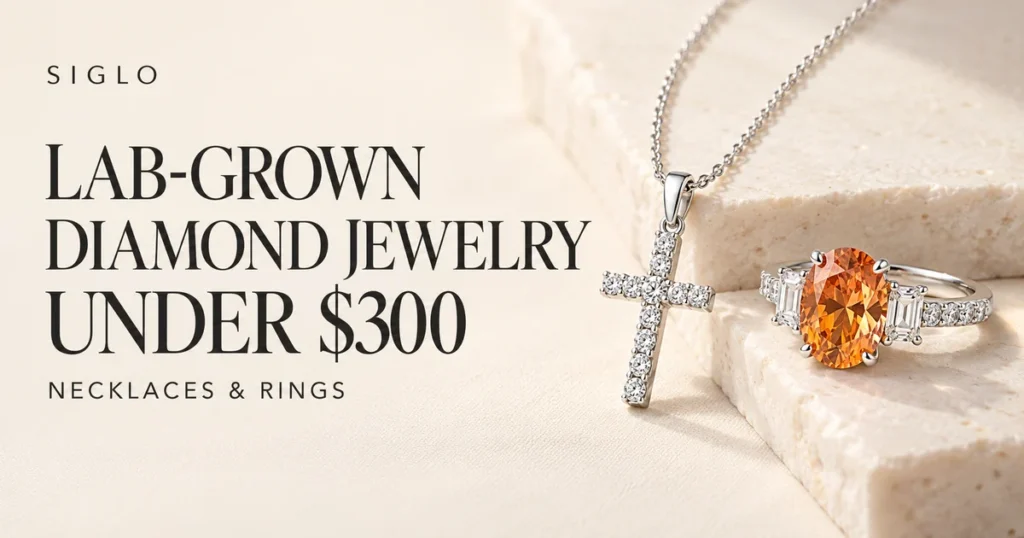
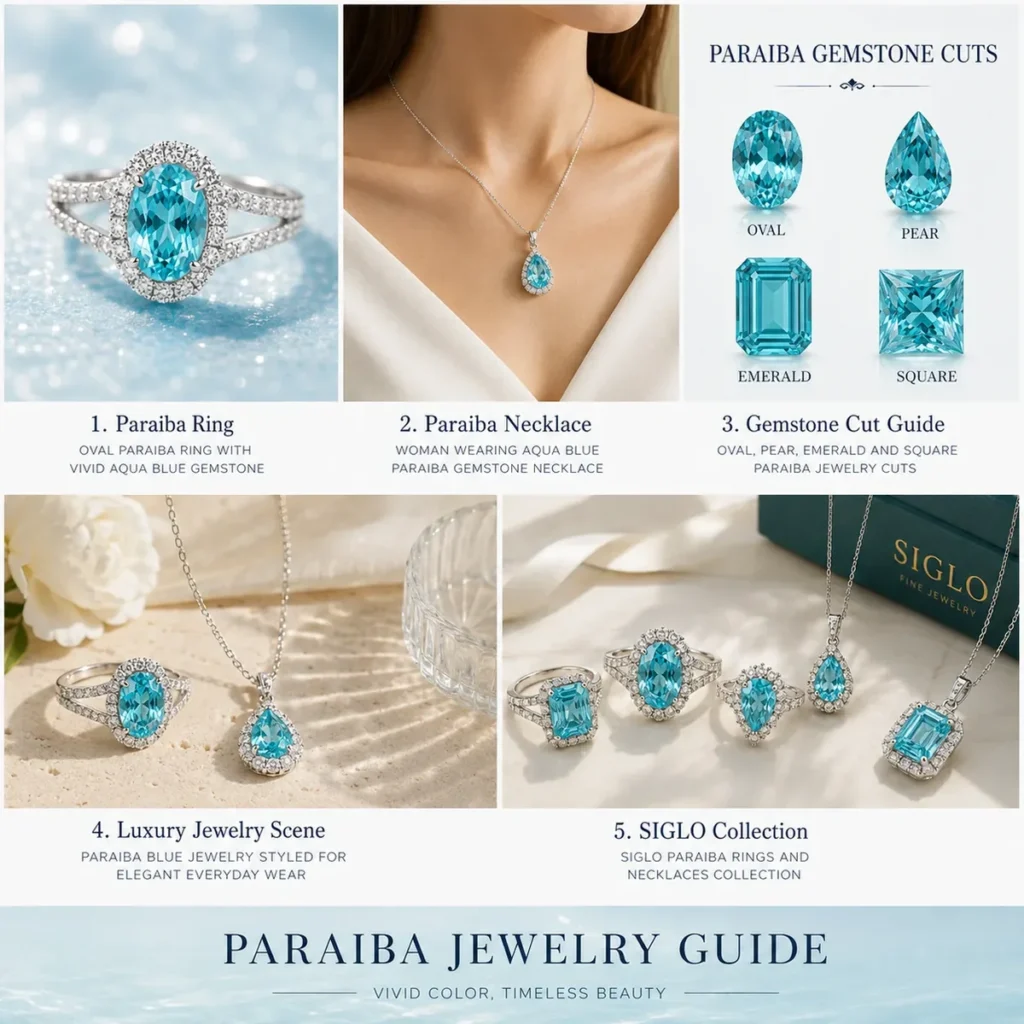
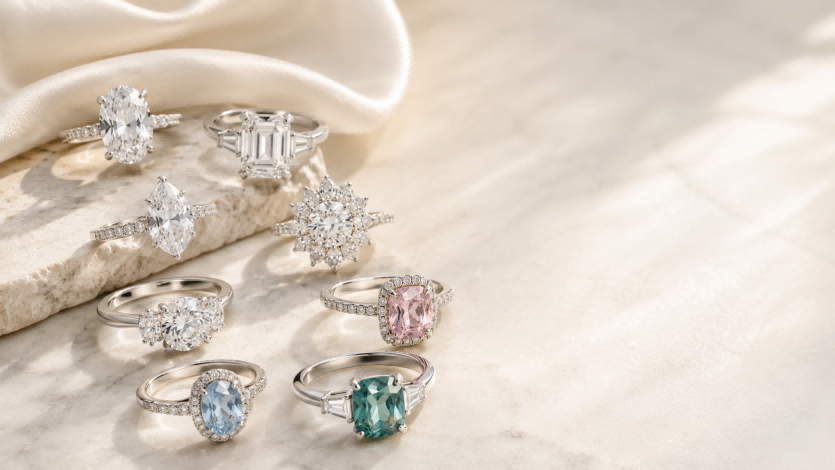
Discover white, pink, yellow and blue-green lab-grown diamond designs created for engagements, anniversaries, meaningful gifts and elegant everyday wear.
Explore our ring collection and find a piece that reflects your personal style, your story and the moment you want to remember.
Brilliance with Clarity and Confidence
Choose jewelry with clear information, thoughtful design and a sparkle that feels entirely your own.
Explore Lab-Grown Diamond Rings
A Choice That Reflects Your Story
The right diamond is not simply the largest or brightest stone. It is the one that reflects your confidence, your journey and the moment you have chosen to celebrate.
Choose brilliance with transparency. Choose a design that feels personal. Most importantly, choose jewelry that reminds you that your meaningful moments deserve to be seen.
Frequently Asked Questions
Can a lab-grown diamond receive a GIA report?
Yes. GIA offers reporting and quality assessment services for eligible loose laboratory-grown diamonds, including separate services for colorless-to-near-colorless and colored lab-grown diamonds.
Can I verify a GIA report online?
Yes. Enter the report or quality assessment number into GIA Report Check and compare the archived information with the diamond offered by the seller.
Does a GIA report show the diamond’s price?
No. A GIA report provides technical identification and quality information. It is not a valuation, guarantee or jewelry appraisal.
Is “GIA certified diamond” the correct term?
No. The more accurate wording is “GIA-graded diamond” or “diamond with a GIA report.”
Does the report grade the entire ring?
No. GIA grading reports apply to loose diamonds. The report does not grade the finished setting, side stones, craftsmanship or total retail value unless those elements receive separate examination.
What should I write on a product page?
Use clear wording such as “lab-grown diamond,” list the actual report information and avoid suggesting that GIA certifies or guarantees the complete jewelry item.
Official sources:
GIA reporting and certification FAQ,
GIA laboratory-grown diamond services,
GIA Report Check and
FTC jewelry advertising guidance.